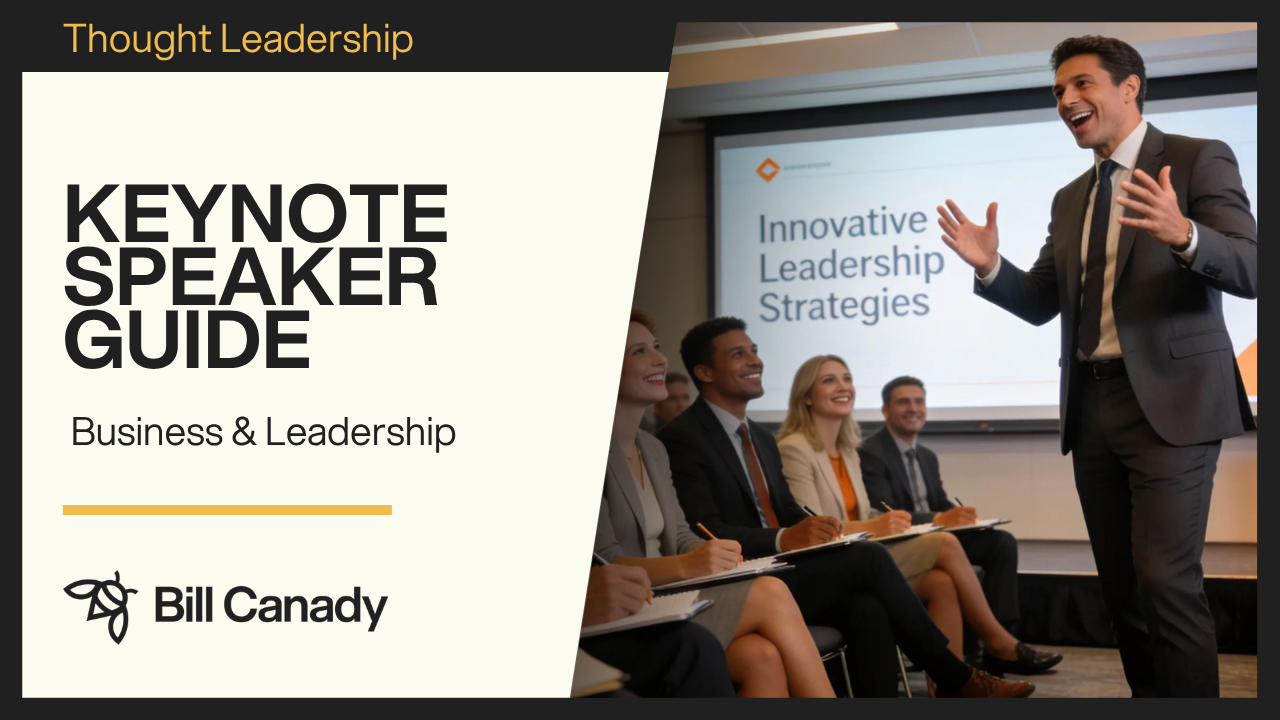
Choosing the right leadership keynote speaker can transform your event. Learn key factors to consider for a successful and impactful selection process.
70% of PE-backed CEOs don't make it to exit. Here's how not to be one →

Choosing the right leadership keynote speaker can transform your event. Learn key factors to consider for a successful and impactful selection process.
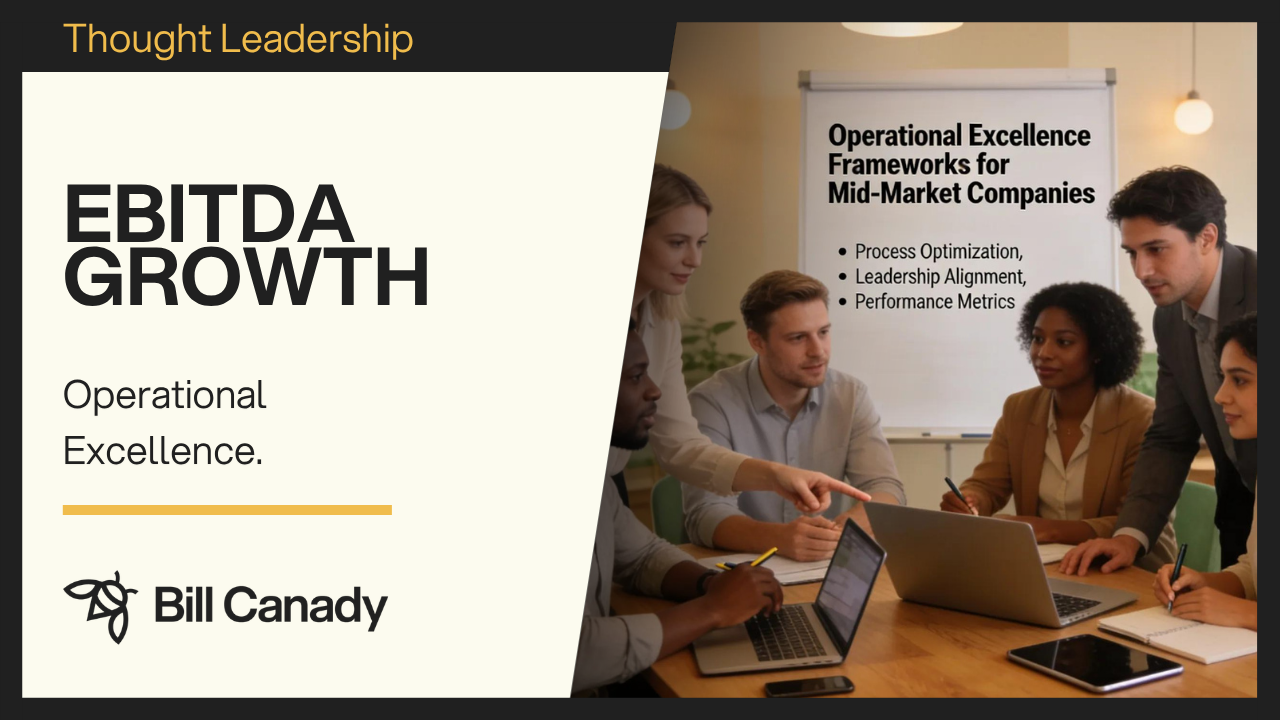
Unlock the potential of Operational Excellence Frameworks to drive mid-market EBITDA growth. Enhance efficiency and profitability with proven strategies today.
I wrote The Rule of Three because for thirty years I kept watching great strategies die in the same place — the gap between the offsite and the P&L — and the same role was
What did $3 billion in shareholder value actually take? Not genius. I want to say that in the first paragraph because every other answer you will read starts with the implication that the person writing
My operating philosophy fits in four words: simplicity scales, complexity fails. Everything else I do — the 80/20 analysis, the one-page strategies, the five-lever growth bridge, the fixed meeting agendas — is just that sentence
Roughly 70% of PE-backed CEOs who get replaced are replaced between months 18 and 24 — and the clustering is not psychology, it is arithmetic. It is the month the fund’s exit math collides with
Here is what sponsors get wrong about their CEOs: you assume alignment because the budget got signed, you assume the CEO knows the number you actually underwrote, you misread operational depth as a lack of
Here is what CEOs get wrong about their sponsors: you treat the sponsor as a boss to be managed instead of capital with a clock, you hide problems until they have hardened into stories, you

The bravest thing a CEO can do is make the business deliberately smaller before trying to make it bigger. Not smaller in people — smaller in customers, products, and activity. I mean walking away from
Which role is your leadership team missing? In thirty years of running and chairing industrial companies, I have never seen a business grow on purpose without three roles filled at the top: a Visionary who