In the fast-paced world of business, it’s easy to feel the pressure to make monumental, game-changing decisions. But as Bill Canady aptly highlights on Office Hours with David Meltzer #708, achieving ambitious goals often comes down to “a million small decisions.” Instead of risking everything on “bet the company decisions,” a smarter path involves pilot tests and small-scale examples.
Why This Incremental Strategy Is Indispensable
1. Avoiding “Bet the Company” Risks
Organizations often face the temptation to implement major changes all at once. Canady emphasizes avoiding these high-stakes, “bet the company decisions.” Such large commitments are incredibly risky, especially when so much is “out of our control.” By opting for smaller, controlled tests, businesses can reduce downsides and learn without risking their entire operation. This builds agility and resilience.
2. The Profitable Growth Operating System and Incremental Progress
Bill Canady’s book, “From Panic to Profit,” introduces his “Profitable Growth Operating System.” While it starts with data, pilot tests are vital for executing strategy. Canady outlines a four-step process for aligning decisions:
First, the CEO defines the goal: “where are we going.” Then, the staff sets the strategy, which leaders own. The journey to that goal involves “fighting for inches.”
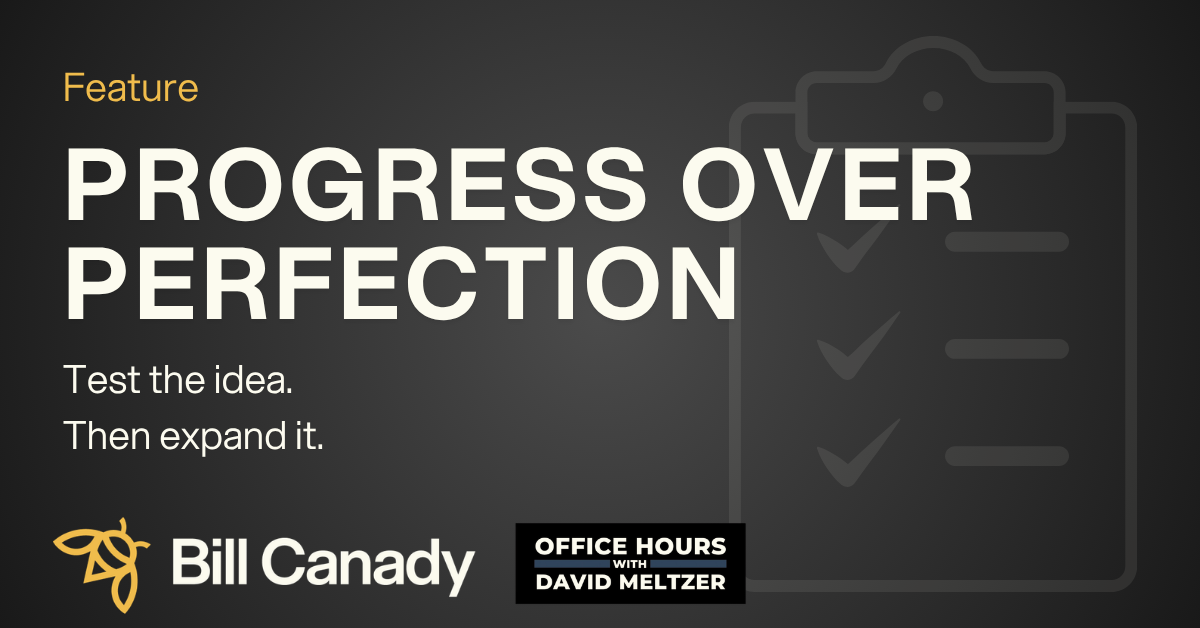
This isn’t about perfection; it’s about “progress not perfection.” As Canady explains, echoing Eisenhower, “plans are absolutely useless but the art of planning is critical.” You take a step, observe, learn, then adjust. Sometimes you move forward, sometimes back, and that’s fine. The key is this relentless, incremental learning.
3. Learning, Adapting, and Fostering Collective Buy-In
Consistent pilot tests and small examples offer critical advantages:
They inform future decisions. Data from trials shows if a strategy works or needs adjustment. Just like knowing the temperature helps you dress, pilot results guide bigger rollouts.
They help achieve goals meaningfully. This iterative process means continuous refinement, ensuring the path truly leads to the desired outcome. It’s about constant improvement.
They help cultivate collective engagement. When changes are introduced incrementally, and the team learns from these tests, it builds ownership and buy-in. This makes it easier to “get people to buy in because ultimately they’re the ones that’s going to make it happen for us.”
In essence, whether you’re building a house or a new business strategy, a blueprint is essential. But the actual construction relies on many small, deliberate actions. Pilot tests and small examples are your low-risk chances to test those actions, learn, and adjust your course toward sustained, profitable growth.
To dive deeper into these powerful strategies for navigating growth, I highly recommend listening to Bill Canady’s full discussion on Office Hours with David Meltzer. It’s packed with actionable insights that can transform your approach to business decisions.