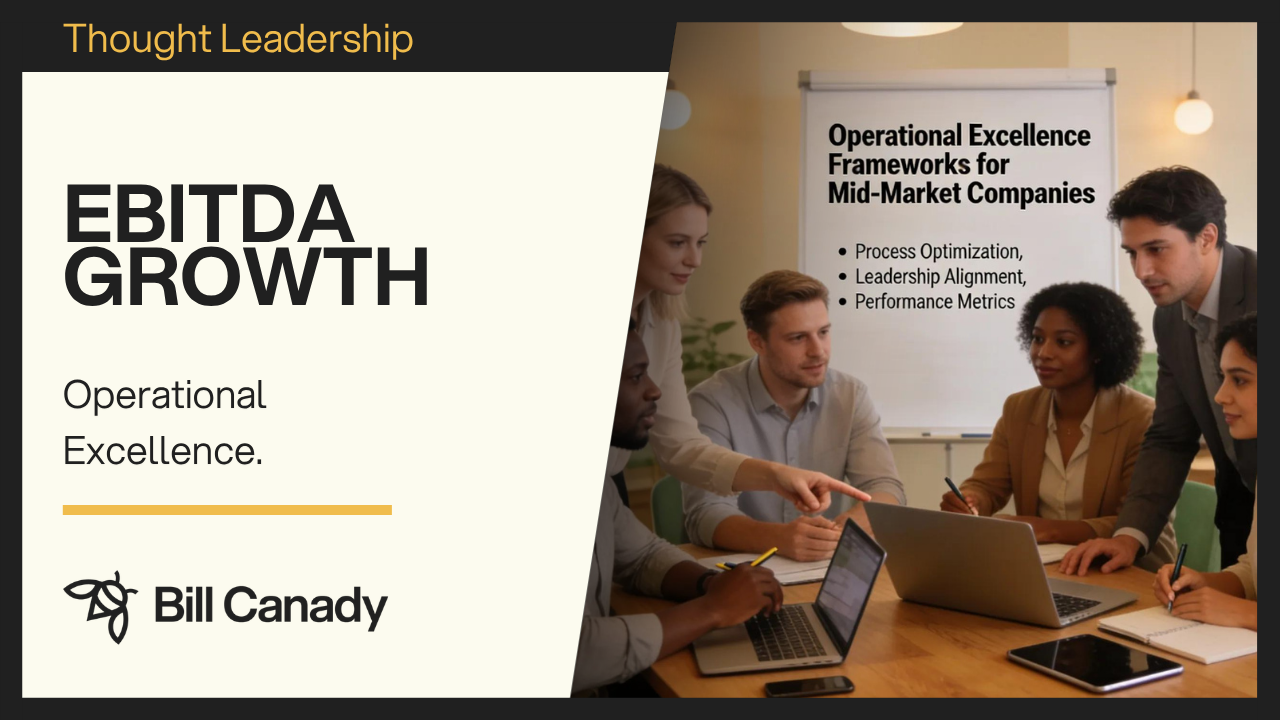
In the competitive landscape of mid-market companies, the quest for elevated earnings before interest, taxes, depreciation, and amortization (EBITDA) is a prevailing priority. Operational excellence frameworks mid market serve as potent catalysts in this endeavor, equipping organizations with structured methodologies to enhance performance, streamline processes, and ultimately drive profitability. This article delves into the core strategies that underlie these operational excellence frameworks mid market, showcasing how they can empower mid-market CEOs and executives to accelerate EBITDA growth. We will explore key financial metrics, the impact of operational efficiency, and actionable steps to implement transformational changes within organizations. By the end, readers will gain insights into technologies, tools, and frameworks that facilitate effective leadership and operational scalability.
What Drives EBITDA Growth in Mid-Market Companies?
EBITDA growth in mid-market companies hinges on several pivotal factors, including pricing governance, effective profit concentration, and monitoring operational metrics. It is critical for leaders to understand these drivers in order to make informed strategic decisions that impact overall financial health. Effective pricing governance directly influences revenue streams, while analyzing profit concentration enables organizations to identify high-margin products or services. Additionally, closely tracking operational metrics helps organizations spot inefficiencies and areas for enhancement.
The nexus of these factors emphasizes the importance of a strategic approach to operational excellence frameworks mid market, allowing companies to position themselves favorably in the marketplace. This strategic alignment ensures that businesses can not only meet their EBITDA targets but also exceed them through sustainable growth measures. For organizations seeking expert guidance, private equity advisory solutions offer specialized support to maximize value creation and accelerate EBITDA growth. Furthermore, authoritative insights on operational strategy can be explored at Harvard Business Review, which provides comprehensive resources for executive leadership.
Key Financial Metrics and Performance Indicators for Mid-Size Businesses
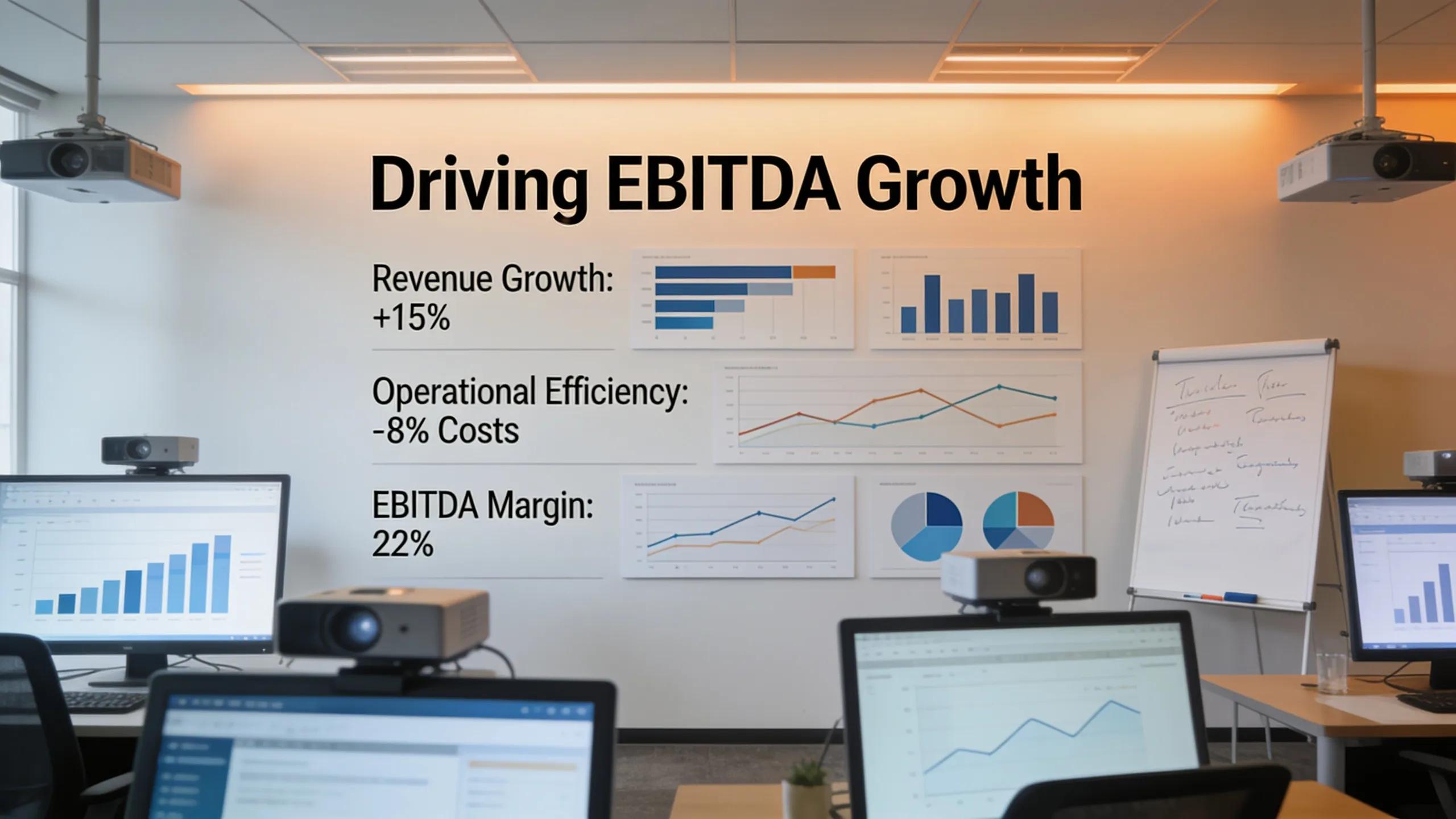
To assess and drive EBITDA growth effectively, it is essential for mid-market businesses to focus on key financial metrics that indicate performance trends. The following metrics typically play a crucial role in providing insights into business health:
- Pricing Corridor: Understanding the range within which pricing must be set to maintain competitiveness while ensuring profitability.
- Right-to-Grow Ratio: Evaluating the capacity for growth against current operational capabilities and resources to make strategic recalibrations.
- Customer Segmentation for Profitability: Analyzing customer data to enhance engagement and retention while maximizing average revenue per user.
By closely monitoring these indicators, organizations can pinpoint opportunities for operational improvements and enhancements that lead to greater EBITDA performance. For a deeper understanding of operational analysis and insightful strategies, executives often refer to comprehensive executive business books that detail proven operational excellence frameworks mid market and methodologies.
Pricing Corridor
The pricing corridor serves as a guideline, indicating the optimal pricing strategy businesses should employ. A wide pricing corridor may suggest room for price increases or necessary adjustments based on market feedback. Promoting a sound understanding of competitive pricing dynamics is vital for executives aiming at maximizing revenue without jeopardizing market share.
Right-to-Grow Ratio
This metric offers valuable insights into whether a business can sustain growth based on its current resources and capabilities. It assists leaders in identifying the threshold of expansion without compromising operational integrity, further linking strategic planning to financial outcomes.
Customer Segmentation for Profitability
Segmenting customers aids in directing marketing efforts while maximizing the potential for profitability. By understanding diverse customer behaviors, businesses can tailor their offerings accordingly, enhancing customer satisfaction and lifetime value.
Impact of Operational Efficiency on EBITDA Margins
Operational efficiency is directly correlated with improvements in EBITDA margins. By streamlining processes and eliminating wasteful procedures, companies can enhance their productivity. Efficient operational practices also contribute to reduced costs, which consequently boosts profitability.
Data-driven decision-making is crucial in this regard, enabling organizations to leverage analytics for optimizing resource allocation. For instance, implementing automation tools can drastically reduce manual tasks, thereby speeding up operations while maintaining high service levels.
Notably, authoritative analysis on EBITDA margins and profitability optimization can be referenced at Investopedia, which offers detailed explanations and industry standards.
How Do Operational Excellence Frameworks Enhance Mid-Market Business Performance?
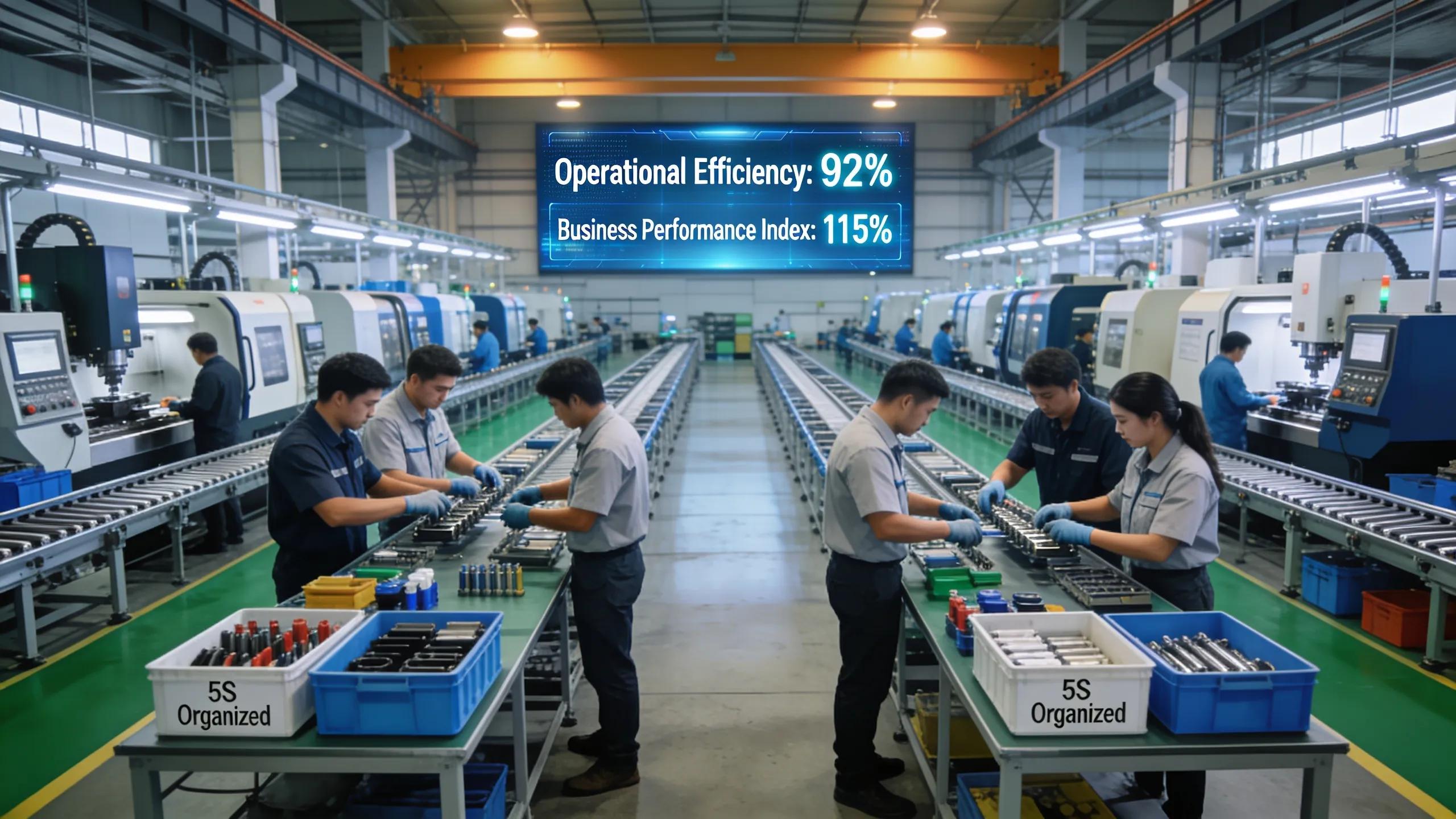
Operational excellence frameworks mid market provide businesses with structured methodologies for process improvement, enabling them to realize superior performance levels. These frameworks instill a culture of continuous improvement, facilitating enhanced alignment between operational capabilities and strategic business goals.
Key components of these frameworks often include lean management principles, which prioritize resource efficiency and waste elimination. By integrating these practices, organizations not only enhance operational efficiency but also promote a mindset geared towards ongoing growth and value creation.
Core Components of Operational Excellence
The cornerstones of operational excellence encompass a variety of methodologies, including process mapping, performance measurement, and continuous improvement cycles. By implementing these core components within operational excellence frameworks mid market, companies can considerably elevate their operational effectiveness.
Lean Management Integration
By adopting lean management concepts, businesses can streamline their workflows, which minimizes waste and optimizes resource utilization. This method leaves organizations poised to increase both productivity and overall service quality based on customer needs.
Case Studies of Successful Operational Enhancements
Various mid-market companies have successfully implemented operational excellence frameworks mid market to achieve significant EBITDA growth. For example, companies that adopted comprehensive performance indicators reported improved efficiency and a clearer view of their operational landscapes. These case studies underscore the tangible benefits derived from robust operational frameworks.
Which Operational Improvement Tools Drive Performance in Mid-Sized Companies?
Mid-sized companies can leverage a variety of operational improvement tools to enhance their performance. Some of the most effective tools include:
- Lean Methodologies: Techniques focused on waste reduction and enhancing workflow efficiency.
- Six Sigma: A disciplined, data-driven approach aimed at process improvement and reduction of defects.
- Resource Allocation Tools: Instruments designed to optimize the distribution of resources across various functions.
By embracing these tools, organizations can foster a culture of performance excellence, leading to measurable improvements in both productivity and EBITDA outcomes. Utilizing them within operational excellence frameworks mid market ensures a systematic approach to value creation.
Overview of Lean and Six Sigma Tools
Utilizing Lean methodologies in conjunction with Six Sigma creates a synergistic effect on operational processes. While Lean focuses on the elimination of waste, Six Sigma emphasizes reducing variability and errors.
Impact of Resource Allocation Tools
Resource allocation tools allow businesses to make informed decisions about where to invest time and capital, ensuring that critical tasks receive priority attention while supporting overall operational goals.
Importance of Data Analysis Tools
Data analysis tools provide organizations with the insights necessary for making strategic decisions. By leveraging data to guide their operational improvements, companies can enhance their agility and responsiveness to market demands.
What Are the Latest Industry Trends and Case Studies on Mid-Market EBITDA Growth?
The landscape of mid-market EBITDA growth is constantly evolving, influenced by various emerging trends and successful case studies. Recently, mid-market companies have increasingly focused on digital transformation, recognizing the vital role technology plays in enhancing operational efficiency and customer engagement.
Incorporating advanced technologies such as artificial intelligence and automation has become a central theme for organizations looking to drive performance enhancements. Forward-thinking businesses leverage these technologies to streamline operations while remaining flexible in a rapidly changing market environment.
Key Case Studies from Recent Years
Successful case studies reveal the transformative impact of digital initiatives, where mid-market firms have harnessed technology to boost productivity. Implementation of these strategies has yielded substantial benefits in terms of cost savings and improved customer satisfaction.
Emerging Trends in Operational Excellence
As companies adopt greater digital solutions, there is a growing trend toward integrating data analytics into operational processes. Emerging technologies, from AI-powered customer experiences to intelligent automation solutions, are leading the charge toward new thresholds of operational excellence within operational excellence frameworks mid market.
How to Leverage Leadership and Change Management for Operational Excellence?
Leadership plays a pivotal role in the successful implementation of operational excellence frameworks mid market. Executive leaders are crucial in setting the vision and strategic objectives that drive performance improvement efforts.
Effective change management practices facilitate the smooth integration of new operational strategies. Building a culture that supports change can significantly enhance an organization’s ability to adapt and thrive in the competitive landscape.
Defining Leadership Roles in Operational Frameworks
Executive leaders should clearly outline their roles within the operational excellence frameworks mid market to ensure accountability and clarity. Their involvement helps foster an environment conducive to both operational excellence and sustainable growth.
Impact of Change Management on Performance
Implementing structured change management can minimize resistance while optimizing engagement among staff. By aligning staff with new objectives, organizations can more effectively cultivate a culture of operational excellence.
Building a Culture of Accountability
A culture of accountability ensures that all levels of the organization understand their contributions to broader strategic objectives. This alignment can positively affect individual performance while reinforcing shared organizational goals.
Roles of CEOs and Senior Executives in Driving EBITDA Growth
In mid-market companies, the roles of CEOs and senior executives are crucial for steering operational excellence frameworks mid market efforts and championing EBITDA growth strategies. Their leadership is integral to developing an organizational culture focused on performance enhancement.
Setting a clear vision for operational excellence helps align resources effectively and directs energy towards realizing growth objectives. Further, developing strategic initiatives geared toward EBITDA growth fosters an awareness of financial performance at all organizational levels.
Setting Vision and Strategic Objectives
CEOs are charged with establishing a compelling vision that inspires cooperation and drives performance agendas. Strategic objectives align teams toward common goals while enabling executives to monitor shareholder value creation effectively.
Developing EBITDA Growth Strategies
High-level growth strategies often require an analytical approach, taking market trends and customer insights into consideration. CEOs must make informed decisions aimed at creating long-term shareholder value through sustainable EBITDA growth initiatives.
Ensuring Accountability through Performance Metrics
Establishing performance metrics that track progress against strategic objectives is vital in driving accountability. By holding teams responsible for outcomes linked to EBITDA growth, executives can more effectively steer the organization toward success.
Frameworks for Leading Organizational Change in Mid-Market Companies
Organizational change frameworks are essential for guiding mid-market companies through transitions toward operational excellence. Establishing strategic clarity assists in aligning all stakeholders, ensuring everyone is aware of the desired end-state and the path to reach it.
Authorized leaders must engage employees throughout the process to foster commitment and reduce resistance to change initiatives. This collaborative approach ensures that everyone feels involved and invested in the operational transformations being implemented.
Establishing Strategic Clarity
Creating a strategic foundation is pivotal for addressing initiatives that guide change efforts. A clear understanding of objectives lays the groundwork for measuring progress, allowing companies to remain aligned throughout the change process.
Engaging Leadership in the Change Process
Involving leadership at each stage of the change process reinforces the commitment to operational excellence frameworks mid market. By equipping leaders with the right tools and information, organizations create a robust framework for successful implementation.
Measuring Impact of Change Initiatives
Tracking the results of change initiatives allows organizations to assess whether their operational excellence frameworks mid market are yielding the desired improvements. Ongoing feedback loops can enhance adaptability, enabling adjustments to strategies as needed.
What Actionable Steps Should Mid-Market Executives Take to Accelerate EBITDA Growth?
To drive meaningful EBITDA growth, mid-market executives should implement several actionable steps within the context of operational excellence frameworks mid market:
- Setting Quantifiable EBITDA Goals: Establishing clear financial targets that can be measured over designated timeframes.
- Developing an Actionable Plan: Outlining specific initiatives that align resources toward achieving financial goals.
- Prioritizing High-Impact Operational Improvements: Identifying the areas within the organization most likely to yield substantial gains.
These strategic actions enable companies to chart clear paths toward achieving their operational objectives and driving EBITDA growth.
Setting Quantifiable EBITDA Goals
By setting specific, measurable EBITDA goals, companies can create clarity around their growth aspirations. Aiming for clear milestones helps steer focus and accountability at all organizational levels.
Developing an Actionable Plan
An actionable plan consists of concrete strategies that guide execution on key objectives. Detailed plans should outline prioritized tasks, responsibilities, and timelines.
Prioritizing High-Impact Operational Improvements
By identifying operational improvements that will yield the highest return on investment, executives can ensure resources are applied efficiently and effectively, amplifying EBITDA growth results.
In conclusion, operational excellence frameworks mid market represent a structured pathway for mid-market companies seeking to maximize EBITDA growth through strategic performance enhancements. By leveraging these insights and actionable strategies, organizations can achieve operational improvements that not only elevate EBITDA margins but also position them for sustainable success in the future. To further enhance your organization’s knowledge and event experience, consider book Bill Canady for executive events to gain firsthand expertise and inspiration from a recognized industry leader.