
In the realm of modern business, building high-performance leadership teams is paramount for sustainable growth and innovation.
Effective C-Suite collaboration and team alignment can significantly enhance decision-making processes and strategic execution.
This comprehensive guide explores proven strategies to cultivate such leadership teams, focusing on defining roles, reducing dependency on a single leader, fostering accountability, and encouraging continual learning within organizations.
Many C-Suite leaders grapple with the challenge of aligning their teams around common goals and responsibilities, which can obstruct progress and insights.
The article will outline critical strategies that not only enhance collaboration but also deliver improved business outcomes, including how to build high performance leadership teams.
Key sections will include the importance of structured communication, the implementation of a Profitable Growth Operating System (PGOS), and practical tips for executive coaching aimed at sustained team performance, including executive leadership advisory services.
To effectively understand how to build high performance leadership teams, it is essential to explore various methodologies and frameworks that can facilitate this process.
Key Principles on How to Build High Performance Leadership Teams
Effective Strategies on How to Build High Performance Leadership Teams
Understanding how to build high performance leadership teams requires a focus on enhancing collaboration and communication among team members.
Define Leadership Roles
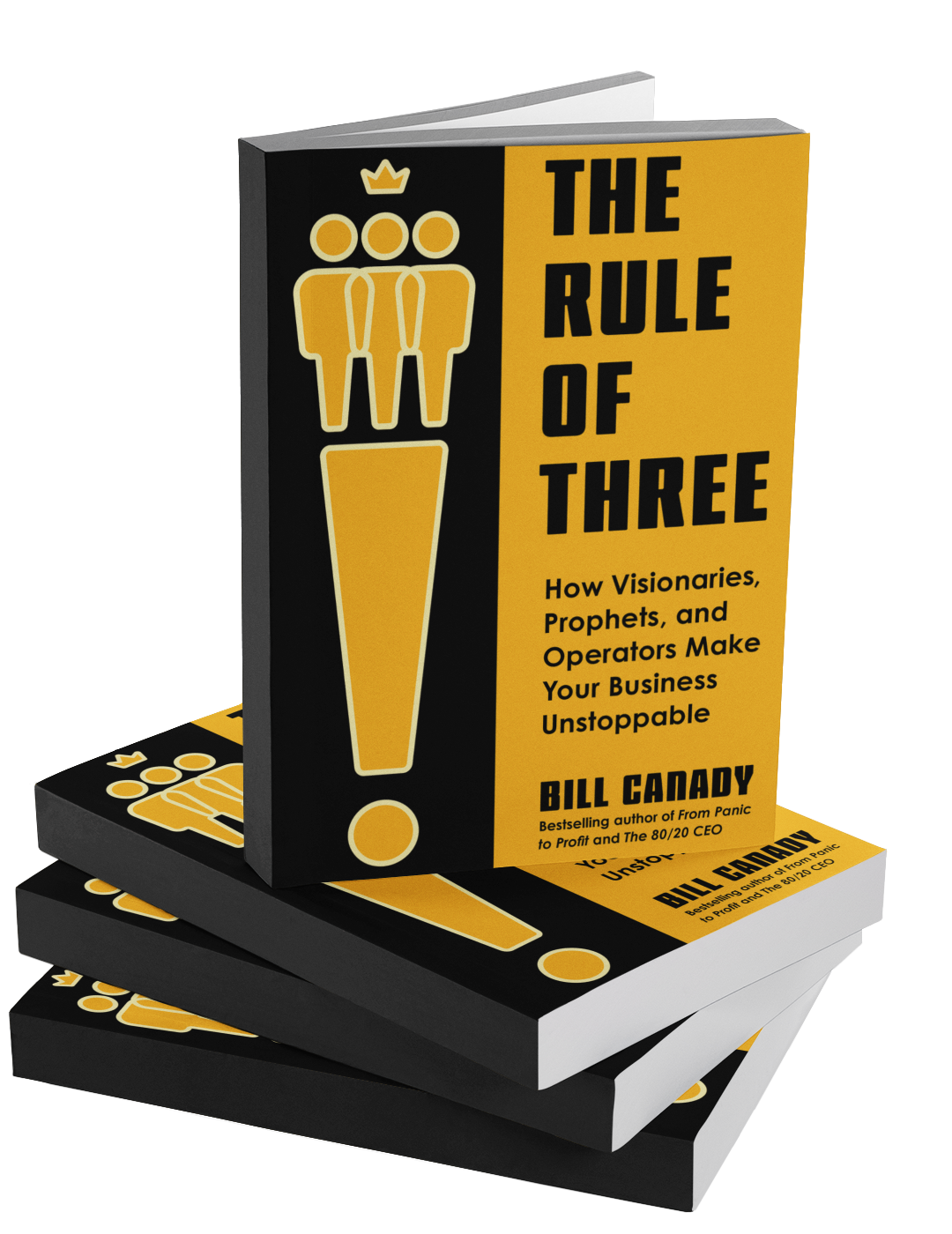
Clarifying leadership roles is essential to building a high-performance leadership team. Each position within the executive sphere—whether it’s Visionaries, Prophets, or Operators—plays a significant part in driving organizational effectiveness. The Visionaries provide strategic direction, setting the overarching goals and vision, while Prophets focus on anticipating market changes and challenges. Operators ensure that daily operations align with the strategic objectives laid out by the Visionaries, creating a harmonious balance within the executive team. By clearly defining these roles, organizations can foster collaborative interactions that lead to informed decision-making and enhanced team dynamics.
Learning how to build high performance leadership teams starts with the recognition of diverse roles and responsibilities.
Importance of Visionaries, Prophets, and Operators
The distinction between Visionaries, Prophets, and Operators is fundamental within executive teams. Each role contributes uniquely to the overall strategy, ensuring that teams not only envision ambitious goals but also remain prepared for challenges that lie ahead. For instance, Visionaries might identify new market opportunities, Prophets could forecast potential risks, and Operators ensure that every initiative is executed effectively, thereby streamlining efforts toward achieving these objectives.
The journey of how to build high performance leadership teams can lead to enhanced trust and accountability across the board.
Empowering teams on how to build high performance leadership teams requires a clear understanding of shared objectives.
Successful Role Definition Examples
Trust is paramount when discussing how to build high performance leadership teams, serving as a foundation for collaboration.
Real-world examples abound where clear role definitions have led to significant organizational advancements. For instance, companies that have leveraged distinct leadership roles often see increased engagement and improved productivity as executives focus on their specialized areas. Establishing these clear definitions can transform ambiguity into clarity, fueling innovation and driving results.
To understand how to build high performance leadership teams, it’s important to leverage a Profitable Growth Operating System.
Reduce CEO Dependency
In many organizations, reliance on a CEO for key decision-making can stifle the potential of executive teams.
Empowering leadership teams to operate independently not only enhances decision-making capabilities but also fosters a culture of trust and collaboration.
Reducing CEO dependency encourages all team members to engage actively in strategic discussions, broadening perspectives and increasing the quality of insights generated.
Creating a rhythm helps in understanding how to build high performance leadership teams effectively.
Empowering Teams for Decision-Making
One effective strategy is to establish a framework that delegates certain decision-making powers to executive team members. This entails setting guidelines around what types of decisions can be made autonomously, subsequently building confidence within teams. For instance, executives could be tasked with managing specific areas of their operations, facilitating quicker responses to market dynamics without waiting for CEO approval.
Focusing on metrics is crucial for how to build high performance leadership teams and ensuring accountability.
Building Trust Within Leadership
Building trust is crucial as teams move toward enhanced autonomy. Trust can be developed through consistent communication, transparency in processes, and recognizing team members for their contributions and successes. The more trust is established among leaders, the more freely they’ll collaborate and innovate in ways that positively impact the organization’s trajectory.
Clear roles are essential when considering how to build high performance leadership teams.
Create Leadership Rhythm

Accountability practices are pivotal in how to build high performance leadership teams.
Establishing a robust accountability framework is vital for how to build high performance leadership teams.
To maintain a high-performance team, creating a rhythm of regular check-ins and strategic meetings is vital.
This rhythm ensures that leaders stay aligned with each other’s workflows and maintain accountability for shared objectives.
Regular meetings also allow teams to assess their progress toward goals and adjust strategies as necessary.
Frequency of Meetings
The frequency of meetings should be carefully considered. Weekly stand-ups, monthly strategy sessions, and quarterly reviews can provide a comprehensive approach to maintaining team momentum. These touchpoints allow leaders to discuss immediate challenges, setting the stage for longer-term strategic discussions.
Use of Scorecards
Implementing scorecards can help track performance against objectives, making it easier to identify areas needing improvement. Scorecards provide a visual representation of progress, allowing leaders to analyze their performance metrics and adjust their strategies effectively.
Turn Strategy into Execution
Strategic alignment is key to understanding how to build high performance leadership teams.
The most effective leadership teams are those that can seamlessly convert strategies into actionable plans.
Developing frameworks for translating strategic initiatives into concrete actions is crucial for realizing desired business outcomes.
Clear Assignment of Ownership
One key element in this process is the clear assignment of ownership. When team members understand their responsibilities in the execution of strategies, they are far more likely to invest effort and creativity in those initiatives. Clearly defined roles help in aligning personal goals with organizational objectives, which maximizes engagement.
Encouraging Accountability
Another critical aspect of turning strategy into execution involves fostering a culture of accountability. By creating structured processes and regular check-ins, leaders can ensure that everyone is aligned with their deliverables, thereby enhancing operational efficiency.
Foster a Culture of Accountability

Establishing a culture where accountability is valued can significantly enhance team performance. By implementing systems that enable tracking of progress and responsibility, organizations can ensure that team members not only commit to but also actively pursue excellence.
Using KPIs for Tracking
Key Performance Indicators (KPIs) are an essential tool for measuring accountability. By setting specific KPIs related to team performance, organizations can track progress and make informed adjustments as necessary. These indicators should align closely with the strategic priorities of the organization to ensure relevance.
Implementing Continuous Improvement Processes
Encouraging an environment where continuous improvement is prioritized allows teams to learn from their experiences. Leadership teams should regularly analyze performance outcomes and seek ways to innovate their practices.
Align Around Strategic Priorities
Using the 80/20 principle, effective teams focus on the most impactful initiatives that drive value. Identifying the vital few initiatives that contribute most to the organization’s success allows teams to eliminate distractions and ensure strategic focus. For further insights and practical applications, exploring Bill Canady’s executive books can offer valuable guidance within this 80/20 priority framework.
Identifying Vital Few Initiatives
Teams should routinely assess their strategic priorities to determine which initiatives yield the highest returns. By prioritizing these efforts, leaders can allocate resources effectively and avoid getting sidetracked by less critical tasks.
Eliminating Distractions
Another important step in this alignment process is eliminating distractions that can derail focus. Leaders must align their teams around shared objectives, ensuring every action contributes toward the overarching goals of the organization.
Encourage Continuous Learning
Fostering an environment that promotes continuous learning and adaptation is vital for high-performance leadership teams. Such environments encourage openness and respect, which are essential for personal and organizational growth.
Fostering Respect and Openness
Creating a culture where team members feel safe to express their thoughts and challenges cultivates a dynamic learning environment. This respect for one another’s perspectives leads to richer, more productive discussions.
Adapting to Change
As the business landscape experiences rapid shifts, having a team that is adaptable in its strategies is crucial. Leadership should promote avenues for training and development, enabling teams to skillfully navigate new challenges.
Engage in Regular Communication
Maintaining open lines of communication within leadership teams is essential. Transparency and consistency in communication foster a willingness to collaborate and ensure everyone is on the same page.
Maintaining Transparency
Leaders should prioritize transparency in their communications, allowing team members to stay informed about organizational changes and decisions affecting their work. This openness builds trust and aligns team efforts around shared goals.
Regular Town Hall Meetings
Utilizing regular town hall meetings allows leaders to connect with their teams in a more personal way. These meetings can serve as platforms for sharing updates, addressing concerns, and reinforcing the organization’s vision and goals.
Develop High Achievers
Identifying and cultivating top performers is crucial in high-performance teams. Leaders should focus on recognizing these high achievers and aligning their roles with the strategic objectives of the organization.
Using the 80/20 Framework
Applying an 80/20 approach when developing high achievers means focusing on the small percentage of individuals who offer significant contributions. This targeted development empowers those leaders to excel and drive greater results for the organization.
Coaching High Potentials
Investing in coaching for high-potential employees can significantly enhance their professional growth and align their contributions with the organization’s vision.
By providing tailored development opportunities, organizations can ensure that these individuals become influential drivers of success.
Implement a Profitable Growth Operating System (PGOS)
A structured framework for aligning strategy and execution through a Profitable Growth Operating System (PGOS) can significantly enhance organizational performance. This system provides clarity on strategic goals while ensuring their effective execution.
Setting Clear Goals
Setting clear, measurable goals is fundamental to a successful PGOS. These goals should be aligned not only with the organization’s strategic priorities but also with the capabilities and resources available to teams.
Organizing Around Strategy
Organizing teams around the PGOS enhances accountability for achieving set goals. It ensures that every team member understands their role in executing the broader strategy of the organization.
Why Is Executive Leadership Alignment Critical for High-Performance Teams?
Executive leadership alignment is fundamental to the success of high-performance teams. A cohesive leadership team can significantly improve decision-making processes and enhance the overall effectiveness of the organization.
Improving Team Effectiveness
A well-aligned executive team can improve operational effectiveness by streamlining processes. This alignment facilitates swift decision-making and creative problem-solving, which are crucial in a competitive environment.
Enhancing Decision-Making
Aligned leadership allows for unified approaches to decision-making. When executives are on the same page, their decisions reflect a comprehensive understanding of the organization’s vision and goals.
Leadership alignment directly correlates with improved business outcomes.
A unified approach among executives leads to stronger collaboration, effective strategy execution, and ultimately, business success.
Leadership alignment directly correlates with improved business outcomes. A unified approach among executives leads to stronger collaboration, effective strategy execution, and ultimately, business success.
Predictable Profit Growth
Organizations with aligned leadership teams often experience more predictable profit growth. This consistency stems from decisions made collectively, minimizing discrepancies and enhancing focus.
Unified Strategy Execution
Alignment in leadership results in more cohesive strategy execution. When all leaders are working toward a common goal, their efforts combine to create a powerful impact on organizational performance.
What Are the Key Traits of Aligned Executive Teams?
Aligned executive teams exhibit several fundamental traits that contribute to their success. Effective communication, shared strategic goals, and proficient decision-making characterize these teams.
Clear Communication
Teams that communicate clearly and effectively tend to align more closely. This clarity allows members to understand their roles and contribute meaningfully to the organization’s overarching goals.
Shared Strategic Goals
Having shared strategic goals fosters collaboration among team members. When everyone understands and buys into the objectives, it promotes unity and effort in achieving greater success.
Which Frameworks Optimize Executive Team Trust and Collaboration?
Frameworks that promote trust and collaboration within executive teams can significantly enhance effectiveness. These structures provide a basis for healthy communication and relationship building.
Model of Trust-Building
Trust-building models emphasize consistent, transparent interactions. By fostering an environment where team members feel valued and respected, leaders can encourage collaboration and innovation.
Collaboration Techniques
To summarize, successfully building high performance leadership teams requires clear communication, defined roles, and a commitment to shared objectives.
Implementing collaboration techniques ensures that diverse viewpoints contribute to problem-solving. This diversity enriches discussions and fosters creative solutions to challenges.
How Can Executives Build and Sustain Trust Within Their Teams?
Sustaining trust within executive teams requires intentional efforts from leaders. Strategies focused on transparency, open dialog, and conflict resolution foster a trusting environment.
Creating Psychological Safety
Creating a psychologically safe environment allows team members to voice their ideas and concerns without fear of retribution. This safety is crucial for promoting openness and encouraging diverse perspectives.
Fostering Open Communication
Open communication channels where team members can discuss issues leads to enhanced trust. When leaders actively listen to their team’s feedback, it strengthens relationships and facilitates collaboration.
Leadership development is a key factor in how to build high performance leadership teams.
How to Measure and Enhance Performance in High-Performance Leadership Teams?
To ensure continuous improvement, it is vital to measure and enhance the performance of high-performance leadership teams consistently.
Using KPIs for Alignment
Implementing specific KPIs to assess team effectiveness helps align efforts with the organization’s strategic goals. Leaders should regularly review these metrics to ensure progress is made.
Conducting Engagement Surveys
Practical strategies for how to build high performance leadership teams can lead to significant improvements.
Engagement surveys allow leaders to understand the team’s dynamics better. These insights can help identify areas requiring attention and facilitate strategies for enhancing overall performance.
What Practices Ensure Ongoing Executive Team Accountability?
Establishing ongoing practices that promote accountability within executive teams is essential for sustaining high performance.
When exploring how to build high performance leadership teams, clear definitions will eliminate confusion.
Regular Goal Setting
Structured processes are a must when discussing how to build high performance leadership teams.
Strategic decision-making plays a pivotal role in how to build high performance leadership teams.
Identifying champions is essential for how to build high performance leadership teams.
Regularly setting and reviewing goals enhances accountability within the team. This ongoing process ensures that everyone stays focused on their objectives and maintains commitment to those goals.
Daily Stand-Up Meetings
Decision-making processes are crucial in how to build high performance leadership teams.
Regular assessments are vital when considering how to build high performance leadership teams.
Implementing daily stand-up meetings encourages collective updates and fosters a sense of team responsibility. These meetings enhance communication and enable quick resolutions to emerging issues.
How Does Executive Coaching Drive Leadership Development and Team Success?
Using semantic SEO can provide insights on how to build high performance leadership teams.
Executive coaching plays a pivotal role in leadership development and can significantly contribute to team success. Through focused guidance, leaders can enhance their capabilities and overall team dynamics.
Facilitating Personal Growth
Executive coaching facilitates personal growth among leaders, allowing them to develop critical competencies essential for effective leadership. This growth enhances the overall dynamics within executive teams.
Improving Team Dynamics
Emerging trends inform how to build high performance leadership teams in the evolving business landscape.
Coaching interventions that target team dynamics can yield substantial long-term benefits. By navigating interpersonal challenges and enhancing collaboration, leadership teams can significantly improve their operational efficiency.
Agility in leadership is crucial when discussing how to build high performance leadership teams.
What Are Practical Strategies to Build and Align High-Performance Executive Teams?
Adapting leadership practices is essential for how to build high performance leadership teams in modern contexts.
Several practical strategies can be employed to build and align high-performance executive teams effectively.
Setting Clear Roles
Ensuring that team members have clearly defined roles is crucial for optimal performance. This clarity allows members to understand their contributions and how they fit into the broader organizational vision.
Creating Structured Processes
Developing structured processes promotes efficiency and consistency in team operations. By following these processes, teams can enhance their ability to execute strategies effectively.
Ultimately, the journey of how to build high performance leadership teams is ongoing and requires adaptation to new challenges and insights.
Developing Internal Champions
Fostering internal champions within teams encourages advocacy for the organization’s vision and values. These champions can catalyze change and inspire others, reinforcing a culture of high performance.
How Do You Sustain Team Performance Through Strategic Decision-Making?
Sustaining team performance hinges on making strategic decisions that align with organizational goals. It requires involvement from all team members to ensure decisions are informed and reflective of collective wisdom.
Aligning Decisions with Strategic Goals
Decisions made at the executive level should align closely with the organization’s strategic objectives. This alignment ensures that teams work cohesively towards achieving common goals.
Evaluating Impacts Regularly
It’s imperative for leaders to regularly evaluate the impacts of their decisions. Continuous assessment allows teams to pivot strategies as needed and stay on course toward achieving success. For enhanced engagement and motivation, incorporating keynote leadership presentations can provide inspiration and actionable insights to sustain high performance.
How to Implement Structured Data and Semantic SEO to Elevate Executive Leadership Content?
Implementing structured data and semantic SEO techniques can significantly enhance the visibility of executive leadership content.
Structured data provides a way to enhance the online presence of leadership content.
By implementing schemas relevant to leadership themes, organizations can improve their website’s indexing.
Optimizing content with semantic SEO strategies ensures better overall visibility.
By focusing on keyword-rich and contextually relevant content, it is possible to reach target audiences more effectively.
Structured data provides a way to enhance the online presence of leadership content. By implementing schemas relevant to leadership themes, organizations can improve their website’s indexing.
Improving Visibility
Optimizing content with semantic SEO strategies ensures better overall visibility. By focusing on keyword-rich and contextually relevant content, it is possible to reach target audiences more effectively.
What Are Emerging Trends and Data-Driven Insights in Leadership Team Effectiveness for 2024-2026?
Staying informed about emerging trends in leadership team effectiveness is essential for remaining competitive.
Data-driven insights provide leaders with the ability to adapt their strategies in real-time.
Organizations are increasingly recognizing the necessity of agility in their leadership models.
Trust dynamics are vital for fostering quicker adaptations and responses to changing market conditions.
Agility and Trust Dynamics
Organizations are increasingly recognizing the necessity of agility in their leadership models. Trust dynamics are vital for fostering quicker adaptations and responses to changing market conditions.
Adapting Leadership Practices
Adapting leadership practices to align with modern expectations is crucial for retaining top talent. Emphasizing collaborative approaches can bolster engagement and performance outcomes.