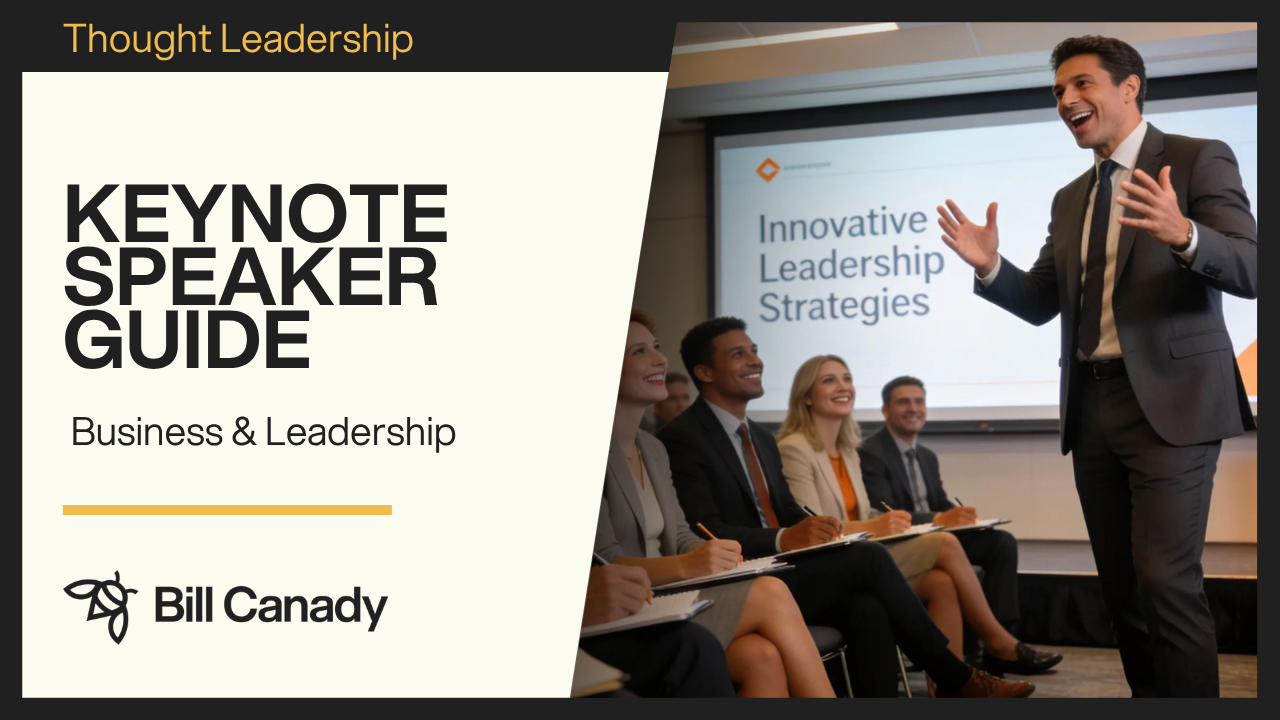

Selecting the right keynote speaker for your corporate event can significantly influence the success and engagement of your audience. In this guide, we will explore not only the criteria for selecting effective business and leadership speakers but also practical tips for assessing potential candidates.
A well-chosen speaker can address the specific needs of your audience while also driving home key messages aligned with your organizational goals. However, many event planners struggle to find the right fit, often overlooking critical selection criteria that could elevate their events.
This article will cover essential aspects such as selection criteria, tips for evaluating speakers, best practices for engagement, and how to navigate the booking process while examining the impact of the speaker’s expertise on organizational growth.
The process of keynote speaker selection is vital to the success of your event. Additionally, understanding the nuances of keynote speaker selection can empower you to make better decisions.
Refining Your Keynote Speaker Selection Process
The Significance of Keynote Speaker Selection
Choosing the right keynote speaker begins with establishing clear selection criteria. It’s crucial to outline these criteria based on the specific needs of your event and objectives. Consider the following key points:
Effective keynote speaker selection also entails recognizing the different styles and topics that resonate with your audience’s needs, which can be a game-changer in event planning.
- Expertise and Experience: Verify the speaker’s knowledge, qualifications, and past speaking engagements to ensure they are capable of delivering valuable insights. For example, reviewing executive leadership books authored by the speaker can provide depth on their expertise.
- Relevance to Audience: The speaker must resonate with the audience’s interests and needs. It’s essential to understand the demographics and expectations of your attendees.
- Engagement Style: Evaluating how a speaker connects with the audience can determine their effectiveness. Look for speakers who are dynamic and skilled in engaging diverse groups.
Moreover, the impact of the right keynote speaker selection is often reflected in the audience’s engagement and feedback. Therefore, it is crucial to consider how each potential speaker aligns with your goals.
By applying these criteria, you can narrow down your choices and focus on speakers who align with your event’s objectives. This systematic approach paves the way for identifying candidates that can significantly enhance the overall experience.
Tips for Assessing Potential Speakers
When evaluating potential speakers, gather thorough insight to make an informed decision. Here are practical tips to guide your assessment:
Breaking down long paragraphs into shorter ones enhances readability and keeps your audience engaged.
- Review Past Engagements: Examine the speaker’s previous events and feedback to gauge their effectiveness and relevance.
- Request Sample Content: Ask for excerpts from their speeches or presentations to assess the quality and style.
- Check Credentials: Ensure the speaker has the required expertise and knowledge in the subject matter relevant to your event.
Remember that the process of keynote speaker selection is not just about qualifications; it’s about finding a speaker who can connect and inspire your audience.
These targeted evaluation strategies provide a clear path to selecting a speaker who can deliver a compelling presentation that aligns with your audience’s expectations.
Best Practices for Engaging Speakers
Engaging a keynote speaker is not just about signing a contract. Implementing best practices during the engagement process can enhance the overall experience for both the speaker and the audience. Consider these strategies:
- Clear Communication: Establish open lines of communication about objectives, expectations, and logistics with the speaker upfront.
- Collaborative Planning: Work with the speaker to align the content with your event7s agenda and goals, ensuring a cohesive experience.
- Promotional Support: Provide detailed support to promote the speaker7s involvement, which can generate more excitement and attendance. Including details about Bill Canady keynote speaking topics in promotional materials can enhance interest.
These best practices not only facilitate a smooth engagement process but also ensure that the speaker feels valued and invested in your event.
What Defines a Business and Leadership Keynote Speaker?
Ultimately, the effectiveness of your keynote speaker selection can set the tone for your entire event, making it pivotal to take this decision seriously.

A business and leadership keynote speaker plays a significant role in shaping the perspectives of the audience. These speakers typically possess:
- Expertise in Leadership or Business Growth: They should have a proven track record in their respective fields, providing experience-backed insights.
- Engaging Presentation Skills: A good keynote speaker knows how to capture and maintain audience attention and looks to inspire change.
- Relatable Experiences: Sharing real-world experiences makes their message more compelling and actionable for the audience.
By understanding these defining attributes, event planners can seek speakers who will have a meaningful impact on their audience.
Which Leadership and Business Growth Topics Do Keynote Speakers Cover?
To achieve the best results, it’s essential to approach the keynote speaker selection process with a comprehensive strategy that includes thorough research and evaluation of candidates.
Keynote speakers often revolve around various themes that are crucial to modern business paradigms. Some popular topics include:
- The 80/20 Principle: Examining how focusing on essential tasks can yield significant results in business growth.
- Actionable Strategies: Providing practical approaches for overcoming challenges and achieving objectives.
- Transparency and Trust: Discussing the importance of open communication in fostering a culture of honesty and reliability.
These topics resonate well with audiences seeking to improve their business strategies and leadership skills.
How Does Speaker Expertise Impact Organizational Growth?
The expertise of a keynote speaker can profoundly influence organizational growth. Here’s how:
A speaker with a strong background in leadership can provide insights into Transformational Leadership, equipping the audience with strategies to advocate change within their enterprises. Their knowledge in Strategic Planning can help organizations align their long-term goals effectively. Moreover, a focus on Operational Excellence encourages teams to optimize processes for better efficiency.
Ultimately, an expert speaker not only enlightens but also empowers the audience to take actionable steps towards achieving their business goals. Engaging in follow-up efforts such as strategic business advisory can help translate insights into practical organizational growth.
Hence, having a structured approach to keynote speaker selection can significantly enhance your event’s impact and success.
In summary, a meticulous approach to keynote speaker selection is vital for hosting successful corporate events that resonate with attendees. The right keynote speaker selection can create lasting impressions and drive action among attendees, making it a crucial topic to address.
What Are the Essential Criteria for Selecting the Right Executive Speaker?

Identifying the right executive speaker involves several critical criteria. To ensure alignment and effectiveness, consider these aspects:
- Evaluate Speaker Credentials: Examine their professional background and speaking history to ascertain their credibility.
- Assess Audience Fit: Determine whether the speaker’s style and message resonate with your audience demographics.
- Determine Speaking Style: Identify a speaker who possesses a dynamic and engaging delivery style that captivates the audience.
These criteria can significantly impact the overall effectiveness of the keynote presentation.
Moreover, the right keynote speaker selection can create lasting impressions and drive action among attendees, making it a crucial topic to address.
How to Evaluate Speaker Credentials, Speaking Style, and Audience Fit?
When assessing potential speakers, focus on their credentials, which can give you insights into their expertise. Moreover, watch their speaking style through recorded sessions or live sessions to gauge their ability to engage an audience effectively. Finally, consider how the speaker’s previous audience demographics match your expected attendees to ensure a good fit.
What Questions Should You Ask Business and Leadership Speakers Before Hiring?
When integrating the concept of keynote speaker selection into your event planning, consider how it aligns with your broader strategic goals.
To ensure you select the best candidate for your event, consider asking potential speakers:
- Inquire about customization: Can they tailor their message to suit your specific audience’s needs?
- Discuss audience engagement approaches: What methods do they use to involve the audience and keep them interested?
These inquiries help to clarify expectations and ensure the selected speaker aligns with your event7s vision.
Mastering the Keynote Speaker Selection Process
Understanding the booking process for a leadership speaker is essential for event planners. It involves:
First, establish clear expectations and logistics for the event. Then, inquire about typical speaker fees, which can vary based on experience, topic, and event type.
What Are Typical Leadership Speaker Fees and How Are They Structured?
Leadership speaker fees can vary widely. Generally, these fees depend on factors such as:
- Experience Level: Established speakers might command higher fees.
- Event Type: Corporate events may have different pricing compared to seminars or conferences.
- Duration: Fees can vary based on whether the speaker is booked for a keynote, workshop, or multiple sessions.
Most speakers may offer a range of fees between $5,000 and $20,000 based on their profile and content requirements. It’s advisable to have open discussions about fees and expectations early in the process.
How to Book Executive Speakers Efficiently and Secure the Best Value?
To optimize the booking process for executive speakers, follow these steps:
- Identify key negotiation points: Know what aspects of the contract are flexible and which are non-negotiable.
- Understanding value for your budget: Consider the overall impact of the speaker7s message relative to the costs involved.
Being informed and proactive can lead to securing a speaker that offers exceptional value while aligning with your event’s objectives.
Why Join a Speaker Community and How Can It Enhance Your Event Impact?
Joining a speaker community can offer numerous benefits for organizers and businesses looking to enhance their events. These communities provide access to:
- Networking Benefits: Connect with other professionals and leaders in your industry, building valuable relationships.
- Access to Resources: Acquire tools and materials that can assist in planning successful events.
- Insights on Best Practices: Learn from the experiences of others to improve your approach to selecting and engaging speakers.
Participating in a speaker community can transform your event planning process, allowing for enriched engagement and outcomes.
What Are Proven Case Studies of Successful Business and Leadership Keynotes?
Exploring case studies of successful keynotes can help underline the impact these presentations have. Here are some insightful components:
- Detail Successful Examples: Showcase speakers who have transformed corporate cultures or improved team performance through their messages.
- Analyze Speaker Impact on Corporate Growth: Assess metrics such as post-event feedback and engagement levels to understand effectiveness.
These case studies demonstrate how strategically chosen speakers can lead to measurable improvements in organizational dynamics.
How Have Keynote Speeches Influenced Corporate Growth and Culture?
Keynote speeches can catalyze significant changes in corporate environments. For example, companies that have integrated keynotes focusing on team collaboration often witness a boost in productivity and morale, resulting in better overall business outcomes. Feedback from attendees showcases not only satisfaction but also practical applications of new strategies within their teams.
What Feedback Do Clients Give About Leadership Speaker Engagements?
Client testimonials on leadership speaker engagements often highlight the value derived from the presentations. Many report high satisfaction ratings, with significant percentages noting improved team performance and engagement levels post-event. This positive impact emphasizes the importance of selecting the right speaker for corporate gatherings.
Which Corporate Keynote Topics Drive Measurable Business Growth and Employee Engagement?
Identifying impactful corporate keynote topics is pivotal for event success. Some key themes that foster growth and engagement include:
- Innovation and Adaptability: How companies can thrive in evolving market conditions.
- Employee Development: Focusing on training and growth opportunities to empower teams.
- Diversity and Inclusion: Discussing the business benefits of fostering diverse workplaces.
These topics resonate strongly with contemporary business challenges and can significantly enhance employee engagement.
How Are Motivational Business Speakers Addressing Digital Transformation?
By continually refining your keynote speaker selection criteria, you can ensure that your events evolve to meet the changing needs of your audience.
In summary, a meticulous approach to keynote speaker selection is vital for hosting successful corporate events that resonate with attendees.
Motivational business speakers are increasingly focusing on digital transformation, explaining how organizations can adapt to technological advancements. Topics often center on:
- The Role of Technology: How to leverage digital tools and platforms for improved efficiency.
- Cultural Shifts: Encouraging organizations to embrace a culture of innovation and flexibility.
These insights are essential for businesses seeking to remain competitive in a digitally driven landscape.
What Leadership Themes Enhance Team Performance and Organizational Excellence?
Leadership themes significantly influence team performance. Effective leadership incorporates:
- Visionary Leadership: Inspiring teams through a shared vision enhances their commitment to goals.
- Operational Efficiency: Identifying ways to streamline processes can lead to substantial performance improvements.
By addressing these themes in presentations, speakers can inspire leaders to cultivate more effective and engaged teams.